


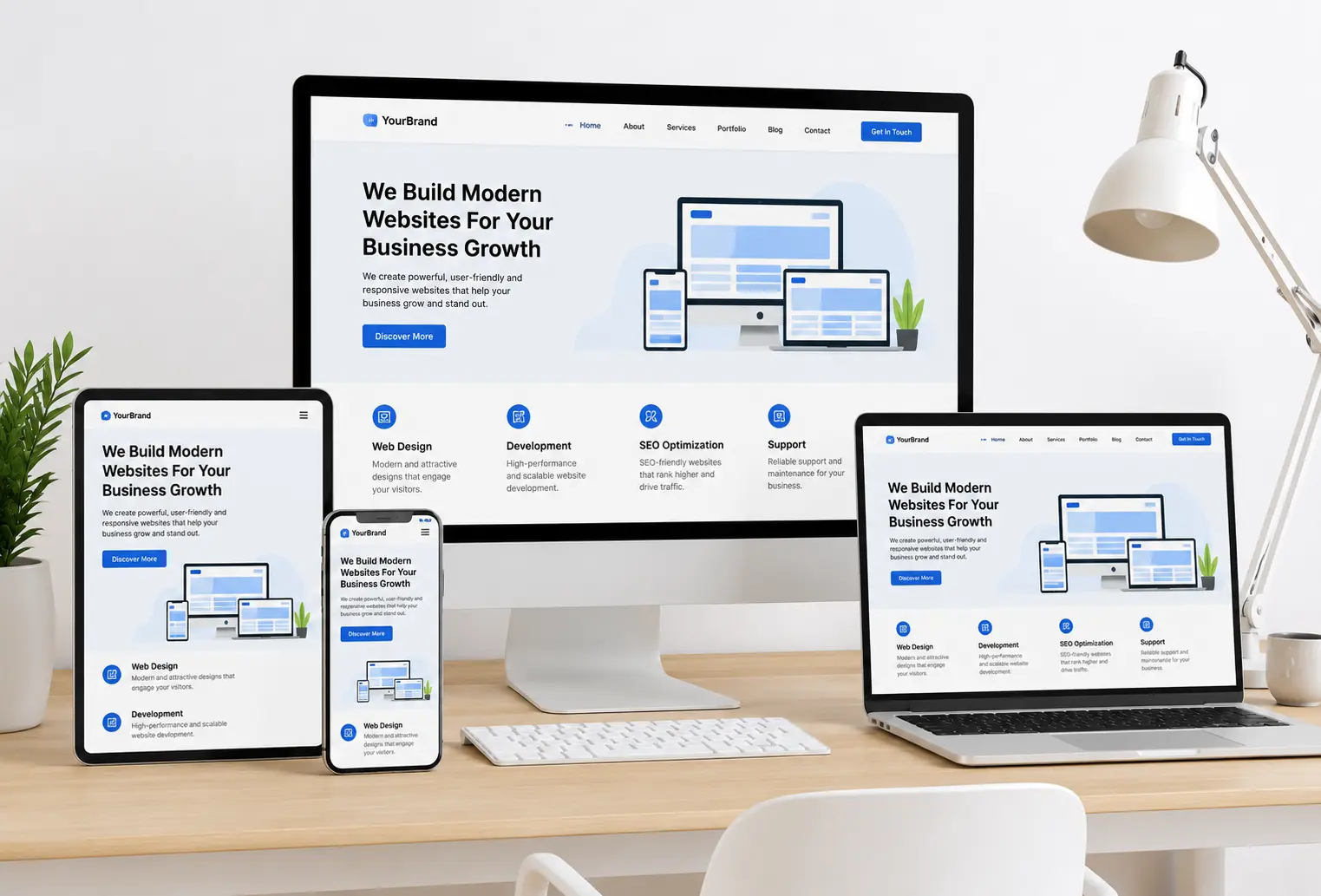
10 Most Essential Features Every Business Website Design Should Include in 2026
In 2026, a business website is more than an online brochure—it is one of the most important digital assets for attracting customers, building credibility, generating leads, and growing your business.
With users expecting faster experiences, smarter interactions, stronger security, and mobile-first design, businesses need websites that are not only visually attractive but also functional, accessible, secure, and conversion-focused.
Whether you are launching a new business website or planning to redesign an existing one, these 10 essential website features can help you create a modern and high-performing digital presence in 2026.
1. Mobile-First Responsive Design
A modern business website must work seamlessly across smartphones, tablets, laptops, and desktops.
Mobile-first design ensures that your website layout, navigation, buttons, images, forms, and content automatically adapt to different screen sizes.
A responsive website should provide:
- Easy navigation on small screens
- Touch-friendly buttons and menus
- Properly optimized images
- Readable typography
- Consistent user experience across devices
Since a large portion of website traffic comes from mobile devices, mobile responsiveness is no longer optional—it is essential.
2. Fast Loading Speed
Website visitors expect pages to load quickly. A slow website can frustrate users, increase bounce rates, and negatively affect conversions.
In 2026, performance should be considered from the beginning of the website development process.
Important performance practices include:
- Optimizing images and media
- Using modern image formats such as WebP or AVIF
- Minimizing unnecessary CSS and JavaScript
- Using caching
- Optimizing database queries
- Choosing reliable hosting
- Using a Content Delivery Network (CDN)
A faster website creates a smoother user experience and helps visitors reach the information they need without unnecessary waiting.
3. Clear and Conversion-Focused Navigation
Visitors should be able to understand your website structure immediately.
A professional business website should have simple navigation that guides users toward important pages such as:
- Home
- About Us
- Services
- Products
- Blog
- Portfolio
- Contact
Clear calls-to-action such as “Get a Quote,” “Book a Consultation,” “Contact Us,” or “Request a Demo” should also be strategically placed throughout the website.
Good navigation reduces confusion and helps turn visitors into potential customers.
4. Strong Calls-to-Action (CTAs)
A website should have a clear purpose. If you want visitors to contact your business, request a quotation, schedule an appointment, purchase a product, or subscribe to your newsletter, make that action easy to find.
Effective CTAs should be:
- Clear
- Short
- Action-oriented
- Visually noticeable
- Relevant to the page content
Instead of generic text such as “Click Here,” use meaningful CTAs like “Get Started,” “Request a Free Consultation,” or “Explore Our Services.”
Strategically placed CTAs can significantly improve lead generation and conversions.
5. SEO-Friendly Website Structure
A beautiful website is valuable only when potential customers can find it.
Search Engine Optimization (SEO) should be incorporated into your website structure from the beginning.
An SEO-friendly website should include:
- Clean and logical URL structures
- Proper heading hierarchy
- Optimized page titles
- Meta descriptions
- Descriptive image alt text
- Internal linking
- Structured content
- XML sitemap
- Canonical URLs where appropriate
- Mobile-friendly pages
- Fast loading performance
SEO-friendly development gives search engines a better understanding of your content and can help improve your organic visibility.
6. AI-Powered Features and Personalization
AI is becoming an increasingly important part of modern digital experiences.
Depending on the type of business, AI-powered functionality can make websites more interactive and useful.
Examples include:
- AI-powered chat assistants
- Intelligent product recommendations
- Automated customer support
- Smart search
- Personalized content
- Lead qualification
- Automated appointment assistance
- AI-based FAQ systems
The goal should not be to add AI simply because it is trending. Instead, businesses should use AI where it genuinely improves the customer experience or reduces repetitive tasks.
7. Strong Website Security
Security should be a fundamental part of every business website.
A secure website protects your business, customers, forms, accounts, and other important information.
Essential security practices include:
- HTTPS/SSL
- Secure authentication
- Regular software updates
- Strong password policies
- Firewall and malware protection
- Secure form handling
- Regular backups
- Spam and bot protection
- Monitoring for suspicious activity
For websites built with CMS platforms such as WordPress, keeping the core system, themes, and plugins updated is particularly important.
Security is not a one-time task. It requires continuous monitoring and maintenance.
8. Accessible and User-Friendly Design
A modern website should be usable by as many people as possible, including users with disabilities.
Accessibility should be considered during design and development rather than added later.
Important considerations include:
- Proper color contrast
- Keyboard-friendly navigation
- Meaningful alternative text for images
- Accessible form labels
- Clear typography
- Logical heading structure
- Visible focus states
- Descriptive links and buttons
An accessible website creates a better experience for a broader audience and demonstrates that your business values usability and inclusion.
9. High-Quality Content and Visual Storytelling
Design attracts visitors, but useful content helps keep them engaged.
Your website should clearly communicate:
- What your business does
- Who you serve
- What problems you solve
- Why customers should choose you
- What makes your services different
- How customers can get started
Use a combination of professional copy, images, graphics, videos, testimonials, case studies, and portfolio examples to communicate your value.
Avoid filling pages with unnecessary text. Instead, structure content using short sections, meaningful headings, bullet points, visuals, and clear CTAs.
10. Analytics, Lead Tracking, and Continuous Optimization
Launching a website is not the end of the process.
A successful business website should provide data that helps you understand how visitors interact with your site.
Useful measurements can include:
- Website traffic
- Traffic sources
- Popular pages
- User engagement
- Conversion rates
- Form submissions
- Lead sources
- Search performance
- Device usage
- User journeys
Analytics and conversion tracking allow businesses to identify what is working and what needs improvement.
Regular testing and optimization can help improve website performance, user experience, SEO, and lead generation over time.
Bonus: Make Your Website Ready for the Future
Technology and customer expectations will continue to evolve. When designing a business website in 2026, it is important to build a flexible foundation that can adapt to future requirements.
Consider:
- Scalable website architecture
- API integrations
- CRM integration
- Marketing automation
- AI integrations
- Online booking systems
- Payment gateways
- Cloud-based services
- Advanced analytics
- Headless or API-driven solutions where appropriate
